
The Ultimate Solution for Oxidation Resistance and Carbonization Resistance in Allen Head Bolts
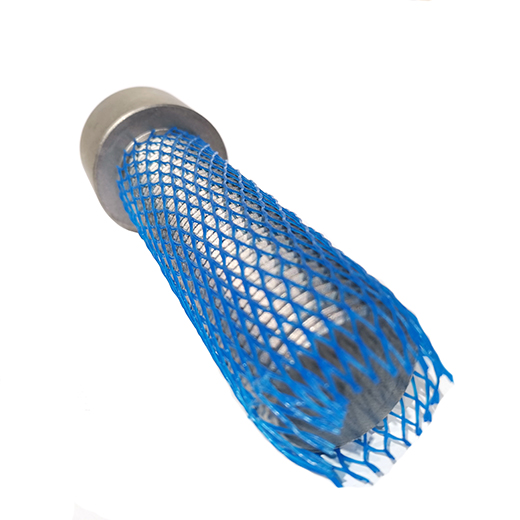
Allen head bolts are everywhere because they install easily, take high torque and resist tampering — but standard steel versions fail at high temperature and in corrosive, carbon-rich service. This is where UNS N08800 comes in: the alloy also known as Alloy 800 pairs outstanding oxidation resistance with carbonization resistance, while the joint still seals against the right gasket materials.
UNS N08800: Basics and Oxidation Resistance
UNS N08800, also known as Alloy 800, is a nickel-iron-chromium alloy with exceptional resistance to oxidation and corrosion. Even under high-temperature conditions it forms a tightly adherent protective oxide layer on the surface, shielding the bolt against oxygen attack and extending its service life.
- Oxidation resistance — the adherent oxide layer blocks oxygen and other reactive species at high temperature.
- Carbonization resistance — the composition stops carbon-rich gases from forming carbides in the metal.
- Bolt design — the hex socket installs easily, accepts high torque and resists tampering.
- Base properties — nickel-iron-chromium alloy built for extreme environments.
Standard Allen head bolts in plain steels simply do not hold up under these conditions, which is why the alloy grade matters more than the head style.
Why Carbonization Resistance Matters
Carbonization starts when carbon-rich substances such as hydrocarbons react with the metal and form carbides. Mechanical strength drops, integrity degrades and the fastener fails early. UNS N08800 resists carbide formation, so the bolts keep their strength in carbon-rich atmospheres.
- Carburizing media — methane, ethane, propane, naphtha and natural gas at process temperature.
- Damage path — carbides embrittle the fastener, cut strength and shorten service life.
- Countermeasure — the UNS N08800 composition prevents carbides and protects critical equipment.
Applications and Benefits
In petrochemical plants these bolts hold together cracking furnaces, reformers, high-pressure vessels, heat exchangers and pipe flanges.
- Petrochemical — cracking furnaces above 800 °C (1472 °F) producing ethylene and propylene, reformers above 900 °C (1652 °F) producing hydrogen from naphtha or natural gas, high-pressure vessels, heat exchangers, distillation columns and storage tanks.
- Power generation — boiler systems, steam turbines and heat exchangers in thermal plants, where steam and heat attack ordinary bolting.
- Aerospace — aircraft engines, combustion chambers and exhaust systems under high temperature and oxidation.
- Chemical processing — reactors, distillation columns and corrosive gas handling systems.
Specifying UNS N08800 Allen head bolts improves safety and uptime, cuts maintenance cost and extends the life of critical equipment in the harshest process units.
Frequently Asked Questions
What is UNS N08800?
Also known as Alloy 800, a nickel-iron-chromium alloy with exceptional resistance to oxidation and corrosion.
How does it resist oxidation?
At high temperature it forms a tightly adherent protective oxide layer that blocks oxygen and other reactive species.
What is carbonization resistance?
The ability to stop carbon-rich hydrocarbons from forming carbides in the metal — carbides that would embrittle the bolt and cut its strength.
Where are these Allen head bolts used?
Cracking furnaces, reformers, high-pressure vessels, heat exchangers, distillation columns, storage tanks, boiler and steam systems, aircraft engines and exhaust systems.
What temperatures do they cover?
The duty includes cracking furnaces above 800 °C (1472 °F) and reformers above 900 °C (1652 °F).
UNS N08825 Resisting Stress Corrosion Cracking in Incoloy 825 Stud Bolts
Hastelloy C22 Hex Head Bolt Applications
Related Article


