
The Impact of Raw Materials on Fastener Performance
author: www.qishine.com
2025-02-16

Fasteners, as fundamental elements of mechanical components, are widely used in industries ranging from automotive and aerospace to construction, petrochemicals, and electronic devices. The role of fasteners is critical as they secure different parts together to ensure the structural stability and reliability of machinery. Hence, selecting appropriate raw materials is essential for manufacturing high-quality fasteners. This article explores the impact of various raw materials on fastener performance, including mechanical properties, chemical properties, heat treatment, as well as considerations of environmental and economic factors.
1. Common Raw Materials for Fasteners and Their Properties
Carbon Steel
Carbon steel is one of the most commonly used materials for fasteners, categorized based on its carbon content into low-carbon steel, medium-carbon steel, and high-carbon steel. Low-carbon steel offers good plasticity and toughness, making it suitable for non-load-bearing fasteners; medium-carbon steel has moderate strength and hardness, widely used for bolts and screws; high-carbon steel is commonly used for fasteners that bear significant loads due to its high strength and wear resistance.
Carbon steel is one of the most commonly used materials for fasteners, categorized based on its carbon content into low-carbon steel, medium-carbon steel, and high-carbon steel. Low-carbon steel offers good plasticity and toughness, making it suitable for non-load-bearing fasteners; medium-carbon steel has moderate strength and hardness, widely used for bolts and screws; high-carbon steel is commonly used for fasteners that bear significant loads due to its high strength and wear resistance.

Alloy Steel
Alloy steel, achieved by adding elements such as chromium, nickel, and manganese to steel, significantly enhances certain properties of the material. Such additions not only boost the material's tensile strength and heat resistance but also improve its corrosion resistance, making alloy steel an ideal material for high-performance fasteners.
Alloy steel, achieved by adding elements such as chromium, nickel, and manganese to steel, significantly enhances certain properties of the material. Such additions not only boost the material's tensile strength and heat resistance but also improve its corrosion resistance, making alloy steel an ideal material for high-performance fasteners.
Nickel-Based Alloys
Nickel-based alloys are high-performance materials that primarily contain nickel and enhance their properties through the addition of elements like chromium, cobalt, and molybdenum. These alloys are widely used in various extreme environments and industrial applications, including aerospace, chemical processing, energy, and nuclear reactors.
Nickel-based alloys are high-performance materials that primarily contain nickel and enhance their properties through the addition of elements like chromium, cobalt, and molybdenum. These alloys are widely used in various extreme environments and industrial applications, including aerospace, chemical processing, energy, and nuclear reactors.
Composition and Properties of Nickel-Based Alloys
Nickel-based alloys typically contain over 30% nickel, with common alloying elements including chromium, cobalt, molybdenum, and iron. These additions aim to improve various physical and chemical characteristics of the alloys. For instance, chromium enhances resistance to oxidation and corrosion, while molybdenum increases the stability of the alloy under high temperature and stress.
Nickel-based alloys typically contain over 30% nickel, with common alloying elements including chromium, cobalt, molybdenum, and iron. These additions aim to improve various physical and chemical characteristics of the alloys. For instance, chromium enhances resistance to oxidation and corrosion, while molybdenum increases the stability of the alloy under high temperature and stress.
Main Categories and Applications of Nickel-Based Alloys
1. Heat-Resistant Alloys: Capable of withstanding extremely high operational temperatures without loss of mechanical properties, commonly found in aerospace engines and industrial combustion systems.
1. Heat-Resistant Alloys: Capable of withstanding extremely high operational temperatures without loss of mechanical properties, commonly found in aerospace engines and industrial combustion systems.
2. Corrosion-Resistant Alloys: Specifically designed to withstand harsh chemical environments, widely used in chemical processing and marine engineering.
3. High-Temperature Alloys: Suitable for use in high-temperature applications, such as aircraft engines and high-temperature components in power plants.
Analysis of Nickel-Based Alloys
Due to their high heat and corrosion resistance, nickel-based alloys play an indispensable role in modern industries. In aerospace, these alloys are used to manufacture engine turbine blades and other critical components, which must operate under extreme temperature and pressure conditions. Additionally, their application in the oil and chemical industries, such as manufacturing reactors and heat exchangers, demonstrates their high resistance to corrosive environments.
Due to their high heat and corrosion resistance, nickel-based alloys play an indispensable role in modern industries. In aerospace, these alloys are used to manufacture engine turbine blades and other critical components, which must operate under extreme temperature and pressure conditions. Additionally, their application in the oil and chemical industries, such as manufacturing reactors and heat exchangers, demonstrates their high resistance to corrosive environments.
However, the fabrication and use of nickel-based alloys also face several challenges. For example, processing these alloys often requires specialized techniques and equipment, as well as relatively high costs. Additionally, fluctuations in nickel prices may impact the cost-effectiveness of the final products.
Overall, nickel-based alloys occupy a crucial position in many high-tech industries thanks to their excellent performance. With ongoing research in materials science and process improvements, it is expected that the application range of these alloys will continue to expand.
Due to their superior high-temperature, corrosion resistance, and mechanical properties, nickel-based alloys are widely used in many engineering projects, especially in the fastener sector. Below are some of the key nickel-based alloy fasteners available on the market along with their application projects:
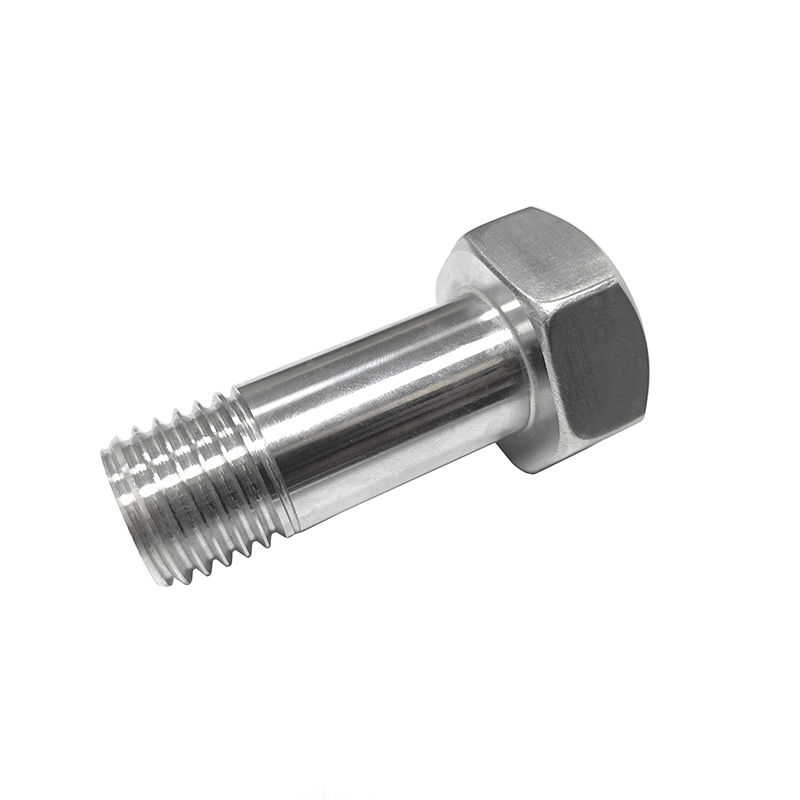
Major Nickel-Based Alloy Fasteners
Inconel 600 / 625
Applications: Primarily used in high-temperature and corrosive environments, suitable for petrochemical, marine engineering, and aerospace projects.
Characteristics: Exhibits good oxidation resistance and resistance to chloride ion stress corrosion.
Inconel 600 / 625
Applications: Primarily used in high-temperature and corrosive environments, suitable for petrochemical, marine engineering, and aerospace projects.
Characteristics: Exhibits good oxidation resistance and resistance to chloride ion stress corrosion.
Incoloy 800 / 825
Applications: Widely used in chemicals, nuclear energy, and oil and gas industries, especially in pipelines and pressure vessels subjected to high temperature and corrosive environments.
Applications: Widely used in chemicals, nuclear energy, and oil and gas industries, especially in pipelines and pressure vessels subjected to high temperature and corrosive environments.
Characteristics: Resistant to high-temperature oxidation and sulfidation, with high strength.
Monel 400
Applications: Commonly used in chemicals, marine engineering, and the pulp and paper industry, particularly in saline and acidic environments.
Applications: Commonly used in chemicals, marine engineering, and the pulp and paper industry, particularly in saline and acidic environments.
Characteristics: Excellent corrosion resistance, especially against acids and seawater.
Hastelloy C-276 / C-22
Applications: Used in extremely corrosive environments, such as chemical plants, petroleum refining, and chlorine production.
Applications: Used in extremely corrosive environments, such as chemical plants, petroleum refining, and chlorine production.
Characteristics: Outstanding corrosion resistance, particularly in reducing and oxidizing environments.
Stainless Steel
Stainless steel is widely used for fasteners that require corrosion resistance, such as in chemical, maritime, and building exterior applications. The two common types of stainless steel are 304 and 316, with 316 stainless steel exhibiting superior performance in chlorinated environments.
Stainless steel is widely used for fasteners that require corrosion resistance, such as in chemical, maritime, and building exterior applications. The two common types of stainless steel are 304 and 316, with 316 stainless steel exhibiting superior performance in chlorinated environments.
Aluminum and Its Alloys
Aluminum and its alloys are often used in aerospace and automotive industries due to their lightweight and good corrosion resistance. Although their strength is typically lower than that of steel, significant enhancements can be achieved through alloying and heat treatment.
Aluminum and its alloys are often used in aerospace and automotive industries due to their lightweight and good corrosion resistance. Although their strength is typically lower than that of steel, significant enhancements can be achieved through alloying and heat treatment.
Titanium and Titanium Alloys
Titanium materials are renowned for their high strength and corrosion resistance, especially under high-temperature and extreme environmental conditions, making them indispensable in medical devices and high-end sports equipment.
Titanium materials are renowned for their high strength and corrosion resistance, especially under high-temperature and extreme environmental conditions, making them indispensable in medical devices and high-end sports equipment.
2. The Influence of Material Selection on Fastener Performance
Choosing appropriate raw materials not only affects the mechanical performance of fasteners, such as their strength, hardness, and fatigue life but also impacts their durability and reliability. For example, proper material selection can prevent premature failure of fasteners under extreme conditions like corrosion, fracture, or excessive wear. Furthermore, the machinability of the material is critical for efficiently manufacturing fasteners, affecting production costs and efficiency.
Choosing appropriate raw materials not only affects the mechanical performance of fasteners, such as their strength, hardness, and fatigue life but also impacts their durability and reliability. For example, proper material selection can prevent premature failure of fasteners under extreme conditions like corrosion, fracture, or excessive wear. Furthermore, the machinability of the material is critical for efficiently manufacturing fasteners, affecting production costs and efficiency.
3. Surface Treatments and New Material Technologies
Surface treatment techniques such as galvanization, chrome plating, or anodizing are significant means to enhance fastener performance. These treatments not only improve the appearance of fasteners but, more importantly, enhance their corrosion resistance and durability. Additionally, with technological advancements, new materials like carbon fiber and ceramic materials are being explored for use in specific fields, opening new avenues for improving fastener performance.
Surface treatment techniques such as galvanization, chrome plating, or anodizing are significant means to enhance fastener performance. These treatments not only improve the appearance of fasteners but, more importantly, enhance their corrosion resistance and durability. Additionally, with technological advancements, new materials like carbon fiber and ceramic materials are being explored for use in specific fields, opening new avenues for improving fastener performance.
4. Conclusion
The performance of fasteners heavily relies on the selection of their raw materials. By reasonably selecting materials and combining advanced manufacturing and surface treatment technologies, high-performance fasteners that meet specific application requirements can be produced. With advancements in materials science, it is anticipated that the performance of fasteners will continue to improve, and their application fields will become broader. Correct material selection not only enhances product performance but also boosts market competitiveness.
The performance of fasteners heavily relies on the selection of their raw materials. By reasonably selecting materials and combining advanced manufacturing and surface treatment technologies, high-performance fasteners that meet specific application requirements can be produced. With advancements in materials science, it is anticipated that the performance of fasteners will continue to improve, and their application fields will become broader. Correct material selection not only enhances product performance but also boosts market competitiveness.
Through this article, we can see that the choice of raw materials is vital for the production of fasteners. The unique properties of each material determine their applicability in specific applications and their ultimate performance, providing engineers with diverse choices and challenges during the design and manufacturing processes.
Nickel Alloy Fasteners 2026 Market Trends Russia Trade Surge and High-End Tech Shifts
Stop Using the Wrong Washer: F436 vs. SAE USS Explained
Related Article

Insights from a Case Study on Exporting B8M Fasteners.Recently, during our final outgoing inspection of a batch of B8M stainless steel fasteners destined for Portugal, we discovered varying degrees of burrs on the edges of the bolt hex heads.
How to Efficiently Remove Burrs from Bolt Edges

Insulating Gasket Procurement Pitfalls: From "Price Traps" to "Supplier Selection"
What pitfalls should you watch out for when purchasing insulating gaskets

As a classic modified PTFE gasket material from Garlock, Gylon 3500 is widely used in petrochemical, chemical, and other industries for its excellent resistance to strong acids, solvents, and anti-creep properties.
How to Buy Genuine Gylon 3500 Insulating Gaskets at Competitive Prices in China

