
Metal Gaskets Are Suitable for Use with a Wide Range of Fluids and Gases
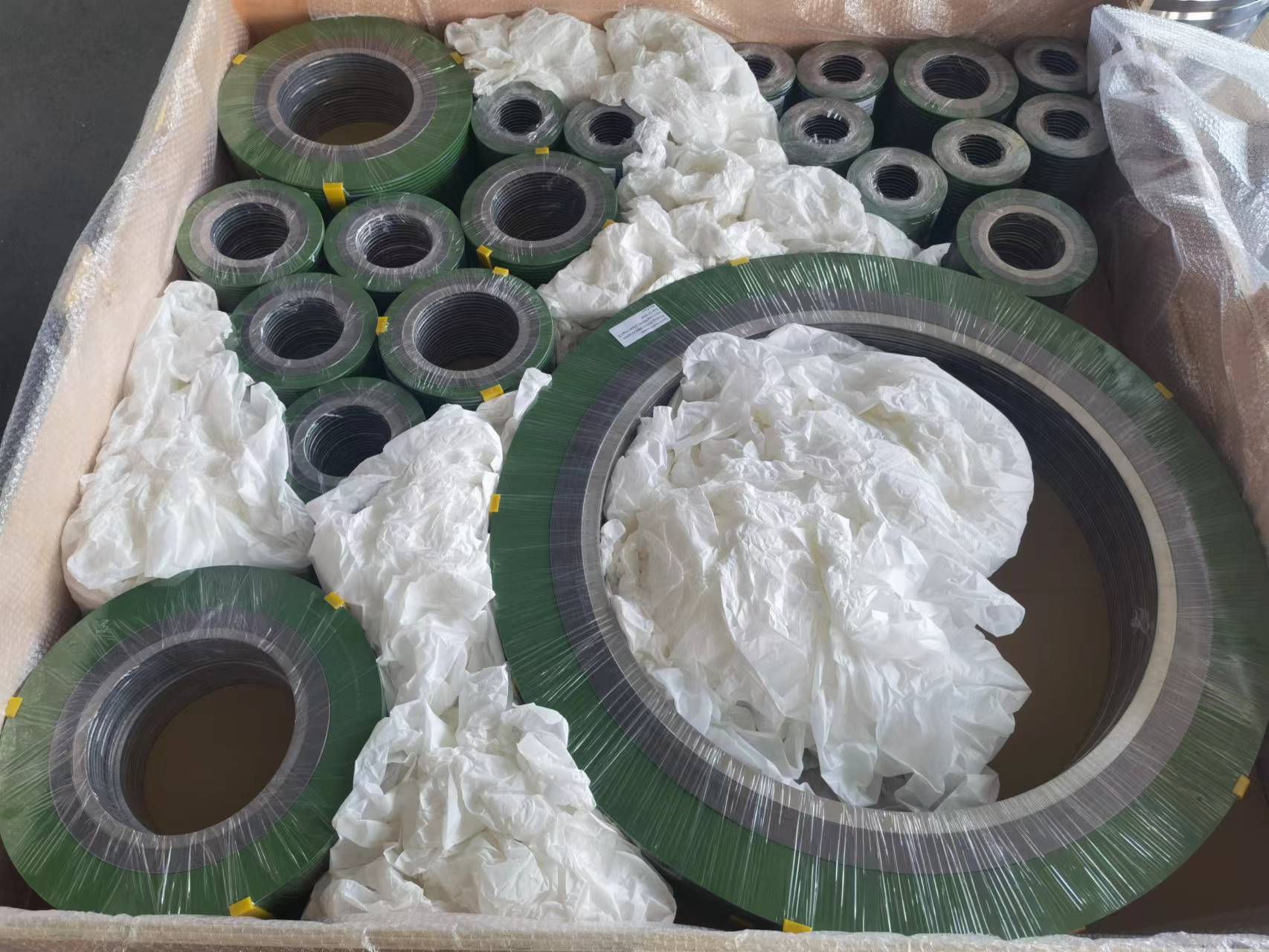
Metal gaskets constitute essential constituents in a diverse array of industrial equipment and systems, especially in scenarios entailing high-pressure and high-temperature conditions. A primary factor contributing to their extensive utilization is their capacity to interface compatibly with a broad spectrum of fluids and gases, thereby guaranteeing dependable sealing efficacy across a multiplicity of industries. This article is poised to explore the compatibility of metal gaskets with assorted fluids and gases, in conjunction with engineering exemplars that exemplify their proficiency in sundry applications.
Compatibility of Metal Gaskets with Fluids and Gases
Owing to their remarkable chemical resistance and proficiency in withstanding extreme pressures and temperatures, metal gaskets are amenable for employment in conjunction with a wide gamut of fluids and gases. Some of the most common fluids and gases that metal gaskets are compatible with include:
Water and Steam
Water and steam are ubiquitously present in various industries, such as power generation, chemical processing, and food and beverage production. Metal gaskets, such as spiral wounds and Kammprofile gaskets, provide reliable sealing performance in systems involving water and steam, safeguarding the efficiency and safety of these processes.
Hydrocarbons
Hydrocarbons, such as oil and natural gas, are widely used in the energy sector. Metal gaskets, including ring joints and metal jacketed gaskets, are suitable for application in the production, transportation, and processing of oil and gas, given their capacity to endure the elevated pressures and temperatures associated with these applications. Acids and Alkalis
Acids and alkalis are common in the chemical and pharmaceutical industries. Metal gaskets with corrosion-resistant materials and fillers, such as graphite or PTFE, can proffer efficacious sealing performance in systems involving corrosive substances, ensuring the safety and reliability of these processes.
Cryogenic Gases
Cryogenic gases, exemplified by liquid nitrogen and oxygen, are utilized in a diverse range of applications, including the aerospace and medical industries. Metal gaskets, particularly those fabricated from materials with low-temperature resilience, are suitable for utilization in cryogenic systems, conferring reliable sealing performance at extremely low temperatures.
High-Purity Gases
High-purity gases are critical in semiconductor manufacturing, research facilities, and other specialized applications. Metal gaskets with non-contaminating fillers, such as PTFE, can provide reliable seals in systems involving high-purity gases, ensuring the integrity of these processes.

Engineering Cases
Petrochemical Plants
Petrochemical plants process hydrocarbons into valuable chemicals, such as plastics, resins, and solvents. Metal gaskets, like ring joints and Kammprofile gaskets, are utilized in various equipment in petrochemical plants, exemplified by reactors, heat exchangers, and distillation columns, to ensure reliable sealing performance under high-pressure and high-temperature conditions.
Desalination Plants
Desalination plants are desiccated to seawater into fresh water, a process that entails high pressures and corrosive environments. Metal gaskets, particularly those with corrosion-resistant materials and fillers, are used in desalination plants to uphold the integrity and efficiency of critical equipment, such as pumps, valves, and membranes.
Semiconductor Manufacturing
Semiconductor manufacturing encompasses the utilization of high-purity gases and aggressive chemicals in a multiplicity of processes. Metal gaskets with non-contaminating fillers, such as PTFE, are crucial in ensuring the integrity and purity of these processes, preventing contamination, and ensuring the quality of the final products.
Liquefied Natural Gas (LNG) Facilities
LNG facilities store and process natural gas in liquid form, which requires extremely low temperatures and high pressures. Metal gaskets, exemplified by spiral wound and ring joint gaskets, are deployed in LNG facilities to confer reliable sealing performance in cryogenic systems, ensuring the safety and efficiency of these operations.
Biopharmaceutical Industry
The biopharmaceutical industry involves the production of drugs and vaccines from living organisms, requiring strict hygienic standards and reliable sealing solutions. Metal gaskets with non-contaminating fillers, such as PTFE or elastomers, are used in biopharmaceutical processing equipment, like fermenters, chromatography columns, and filtration systems, to maintain the purity and integrity of the products.
Automotive Industry
The automotive industry relies on metal gaskets for various applications, including engines, transmissions, and exhaust systems. These gaskets provide effective sealing performance in systems involving fluids and gases, for instance, engine coolant, engine oil, and exhaust gases, ensuring the efficiency and longevity of automotive components.
HVAC Systems
Heating, ventilation, and air conditioning (HVAC) systems entail the utilization of various fluids and gases, including refrigerants, water, and air. Metal gaskets, such as metal jacketed and spiral wound gaskets, are deployed in HVAC equipment, like compressors, heat exchangers, and valves, to furnish reliable seals that can withstand high pressures and temperatures.
Factors to Consider for Gasket Selection
When selecting metal gaskets for applications implicating various fluids and gases, several factors should be considered to ensure optimal sealing performance. These factors are as follows:
Temperature and Pressure
The operating temperature and pressure parameters of the system should be considered when selecting a metal gasket, as different gasket materials and designs possess variant temperature and pressure ratings.
Corrosion Resistance
The congruity of the gasket material with the fluids and gases in the system is crucial, as some materials may be more susceptible to corrosion or degradation in the presence of specific substances.
Fluid or Gas Purity
In applications entailing high-purity fluids or gases, it is essential to opt for a gasket with non-contaminating fillers and materials that refrain from discharging particles or contaminants into the system.
Flange Design
The design of the flanges, including the type, size, and surface finish, ought to be factored into consideration when selecting a metal gasket to ensure proper fit and sealing performance.
Metal gaskets are indispensable in a wide range of high-pressure and high-temperature applications involving various fluids and gases, attributable to their compatibility, chemical resistance, and ability to withstand extreme conditions. Engineering cases demonstrate the importance and effectiveness of metal gaskets in industries such as petrochemicals, desalination, semiconductor manufacturing, and automotive production. As the demands of these industries continue to evolve, metal gaskets will remain a critical component in ensuring the safety, reliability, and efficiency of processes involving diverse fluids and gases.
Metal Gaskets Are Commonly Used in Pipe Fittings Valves and Pumps
Metal Gasket is Suitable for Various Types of Flanges
Related Article


