
Application of Fasteners in Nuclear Power Plants
author: www.qishine.com
2023-04-12
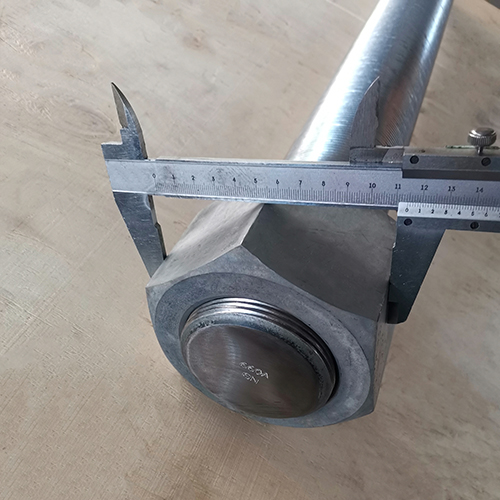
Nuclear-grade fasteners are critical components in many different applications within a nuclear power plant. They are designed to provide reliable and long-lasting connections in environments that endure high temperatures, intense radiation, and other extreme conditions. Some of the most prevalent applications of nuclear-grade fasteners include steam generators, heat exchangers, and reactor vessels.
Steam Generators:
Steam generators are among the most significant components in a nuclear power plant. These devices are tasked with converting the heat generated by the nuclear reactor into steam, which is used to power the plant's turbines. Because of the high temperatures and pressures involved, steam generators require a large number of high-strength fasteners to maintain their integrity. Nuclear-grade fasteners are often used in these applications to ensure that the steam generators can withstand the extreme conditions found in a nuclear power plant.
Heat Exchangers:
Heat exchangers are another critical component in a nuclear power plant. These devices are utilized to transfer heat between different fluids, such as the primary coolant and the secondary coolant. Because of the high temperatures and pressures involved, heat exchangers require a large number of high-strength fasteners to maintain their integrity. Nuclear-grade fasteners are often used in these applications to ensure that the heat exchangers can withstand the extreme conditions existing in a nuclear power plant.
Reactor Vessels:
The reactor vessel is the core of a nuclear power plant. This vessel contains nuclear fuel and coolant and is responsible for generating the heat that is used to produce electricity. Because of the critical nature of this component, reactor vessels demand a large number of high-strength fasteners to maintain their integrity. Nuclear-grade fasteners are often used in these applications to ensure that the reactor vessels can withstand the extreme conditions found in a nuclear power plant.
In addition to these applications, nuclear-grade fasteners are also used in many other components throughout a nuclear power plant, including piping systems, valves, and control rods. These components all require reliable and long-lasting connections to ensure the safe and efficient operation of the power plant, and nuclear-grade fasteners play a critical role in achieving this goal.
Furthermore, nuclear-grade fasteners are utilized in the construction of nuclear power plants, encompassing the installation of concrete shielding and other structural components. They are also used in the maintenance and repair of nuclear facilities, such as in the replacement of damaged or worn-out components.
Steam Generators:
Steam generators are among the most significant components in a nuclear power plant. These devices are tasked with converting the heat generated by the nuclear reactor into steam, which is used to power the plant's turbines. Because of the high temperatures and pressures involved, steam generators require a large number of high-strength fasteners to maintain their integrity. Nuclear-grade fasteners are often used in these applications to ensure that the steam generators can withstand the extreme conditions found in a nuclear power plant.
Heat Exchangers:
Heat exchangers are another critical component in a nuclear power plant. These devices are utilized to transfer heat between different fluids, such as the primary coolant and the secondary coolant. Because of the high temperatures and pressures involved, heat exchangers require a large number of high-strength fasteners to maintain their integrity. Nuclear-grade fasteners are often used in these applications to ensure that the heat exchangers can withstand the extreme conditions existing in a nuclear power plant.
Reactor Vessels:
The reactor vessel is the core of a nuclear power plant. This vessel contains nuclear fuel and coolant and is responsible for generating the heat that is used to produce electricity. Because of the critical nature of this component, reactor vessels demand a large number of high-strength fasteners to maintain their integrity. Nuclear-grade fasteners are often used in these applications to ensure that the reactor vessels can withstand the extreme conditions found in a nuclear power plant.
In addition to these applications, nuclear-grade fasteners are also used in many other components throughout a nuclear power plant, including piping systems, valves, and control rods. These components all require reliable and long-lasting connections to ensure the safe and efficient operation of the power plant, and nuclear-grade fasteners play a critical role in achieving this goal.
Furthermore, nuclear-grade fasteners are utilized in the construction of nuclear power plants, encompassing the installation of concrete shielding and other structural components. They are also used in the maintenance and repair of nuclear facilities, such as in the replacement of damaged or worn-out components.
In addition to their high strength and resistance to radiation and corrosion, nuclear-grade fasteners must also meet stringent quality and safety standards. These standards are set by regulatory bodies such as the Nuclear Regulatory Commission (NRC) in the United States and the International Atomic Energy Agency (IAEA) globally. These standards prescribe the manufacturing processes, inspection, and testing procedures that must be adhered to ensure that the fasteners are of high quality and can safely perform their intended function in a nuclear environment.
Manufacturers of nuclear-grade fasteners must also undergo rigorous quality control measures to ensure that their products meet the required standards. This includes regular testing of raw materials, in-process inspection during manufacturing, and final testing of finished products. Non-destructive testing methods, such as X-ray and ultrasonic testing, are often used to detect any defects or inconsistencies in the fasteners.
The importance of using high-quality nuclear-grade fasteners cannot be overstated. Failure of even a single fastener in a nuclear power plant can have catastrophic consequences. The utilization of fasteners of inferior quality or those that are non-compliant may result in corrosion, radiation-induced embrittlement, and other types of degradation, which can endanger the safety and integrity of the nuclear facility.
Nuclear-grade fasteners are essential to nuclear power plants and other nuclear facilities. They are designed to withstand high temperatures, radiation exposure, and extreme conditions while maintaining strength and performance. Their use is essential to ensure the safety and reliability of nuclear power plants and the protection of workers and the public from the risks associated with nuclear energy.
Fasteners Use for Nuclear Power Plants
Advantages Of Stainless-Steel Pipe Fittings
Related Article

Insights from a Case Study on Exporting B8M Fasteners.Recently, during our final outgoing inspection of a batch of B8M stainless steel fasteners destined for Portugal, we discovered varying degrees of burrs on the edges of the bolt hex heads.
How to Efficiently Remove Burrs from Bolt Edges

Insulating Gasket Procurement Pitfalls: From "Price Traps" to "Supplier Selection"
What pitfalls should you watch out for when purchasing insulating gaskets

As a classic modified PTFE gasket material from Garlock, Gylon 3500 is widely used in petrochemical, chemical, and other industries for its excellent resistance to strong acids, solvents, and anti-creep properties.
How to Buy Genuine Gylon 3500 Insulating Gaskets at Competitive Prices in China

