
Achieving Cryogenic Performance with ASTM A453 Gr 660 Stud Bolts
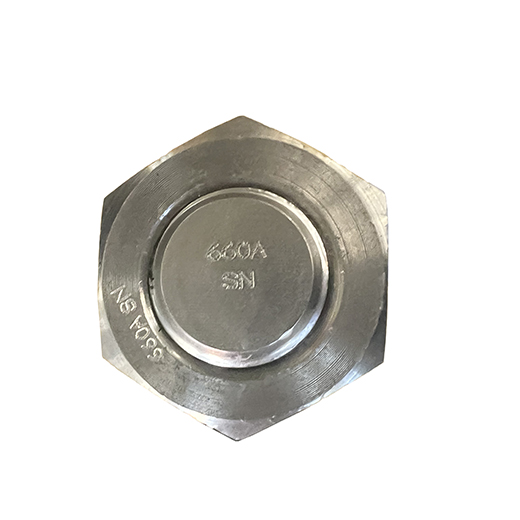
The ASTM A453 Gr 660 stud bolt is a high-strength, corrosion-resistant fastener specified where mechanical load and extreme cold act at the same time. From LNG storage tanks to cryogenic air separation units, the bolt must hold preload at sub-zero temperature while the whole joint — flanges, flange gaskets and the bolting — stays tight through thermal cycling.
What ASTM A453 Grade 660 Specifies
ASTM A453 covers alloy steels for bolting in high-temperature and high-pressure service, and Grade 660 is the high-strength, corrosion-resistant member of that family. It is best known for performance at elevated temperature, but its second property matters just as much in cold service: impact resistance at extremely low temperature, so the material keeps its strength and integrity below zero.
That combination — tensile strength, corrosion resistance and low-temperature toughness — is why the grade is specified for critical bolting in oil and gas, chemical and power generation installations rather than for ordinary structural fasteners.
- High-strength alloy bolting to ASTM A453, Grade 660.
- Corrosion-resistant for aggressive process environments.
- Impact resistance maintained at extremely low temperatures.
- Specified at both cryogenic and elevated temperatures in high-pressure joints.
Cryogenic Duty: LNG, Air Separation and Liquefaction
LNG facilities put the bolt on storage tanks, transfer lines and vaporization systems, where the service temperature of stored and transported gas leaves no room for brittle fasteners. Cryogenic air separation units — producing liquid oxygen, nitrogen and argon — impose the same requirement on every flanged joint in the cold box and its connections.
Petrochemical plants add the storage, separation and liquefaction of methane, ethylene and propane, plus refrigeration circuits: compressors, condensers and piping. Cryogenic heat exchangers see thermal cycling and high pressure differentials, and liquefaction units bolt compressors, exchangers and storage tanks together. Cryogenic vessels for liquid hydrogen and helium round out the list.
| Cryogenic service | Typical components | Duty on the fastener |
|---|---|---|
| LNG plants | Storage tanks, transfer lines, vaporization systems | Sub-zero strength and toughness |
| Air separation | Cold box joints producing liquid oxygen, nitrogen, argon | Integrity at cryogenic temperature |
| Petrochemical | Methane, ethylene, propane storage and liquefaction | Cold plus process media |
| Refrigeration and liquefaction | Compressors, condensers, heat exchangers, piping | Thermal cycling and pressure differentials |
| Cryogenic vessels | Liquid hydrogen and helium storage | Resistance to low-temperature embrittlement |
Table 1. Typical cryogenic services for ASTM A453 Gr 660 stud bolts and the duty each one imposes on the fastener.
High-Temperature and High-Pressure Service
The same alloy is not limited to cold duty. In high-temperature and high-pressure service — power generation headers, chemical processing lines and the pipe flanges that bolt them together — its mechanical properties and corrosion resistance keep joints tight where ordinary bolting relaxes or corrodes.
Selection is therefore a joint decision: match the grade to the lowest service temperature for impact requirements, to the medium for corrosion, and to the flange class for load. Where the joint is critical, tightening discipline and bolt-up sequence matter as much as the alloy — a Grade 660 stud only performs if the preload survives the thermal cycle.
Frequently Asked Questions
What does ASTM A453 Grade 660 cover?
ASTM A453 covers alloy steels for high-temperature and high-pressure bolting; Grade 660 is the high-strength, corrosion-resistant grade of that family, known for performance at elevated temperature and impact resistance at extremely low temperature.
Where do Grade 660 stud bolts work in LNG plants?
On storage tanks, transfer lines and vaporization systems, where the bolt must keep its strength at the sub-zero temperature of stored and transported gas.
Can Grade 660 studs serve at high temperature?
Yes — the same mechanical properties and corrosion resistance make it a preferred choice for critical bolting in power generation and chemical processing at high temperature and pressure.
What should be checked before specifying the grade?
Match the grade to the lowest service temperature for impact requirements, to the medium for corrosion resistance, and to the flange class for load — then hold the bolt-up discipline.
Importance and Applications of Face Sealed Rubber Expansion Joints
Exploring the Versatility and Reliability of API 6A RX 31 Joint Gaskets
Related Article


